


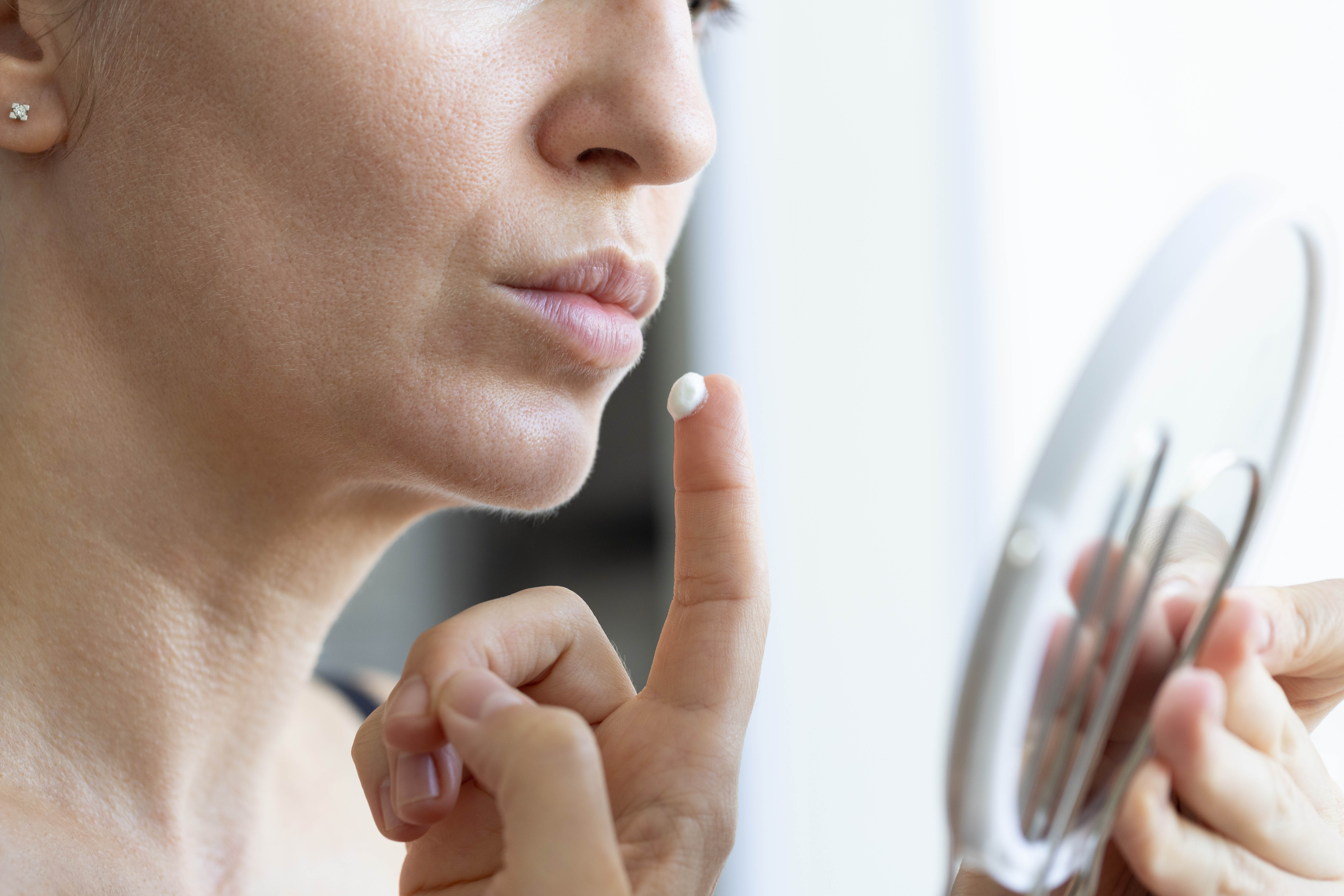
Winter often brings cozy sweaters, festive gatherings, and a welcome change of pace. However, the colder months can also introduce an uncomfortable oral health concern many people underestimate: dry mouth. Reduced humidity, indoor heating, and seasonal lifestyle changes can disrupt the mouth’s natural moisture levels, increasing the risk of sensitivity, gum irritation, and complications with existing dental work.
At House of Dentistry, winter oral care is approached with precision, prevention, and patient education. Guided by the experience of Dr. Kapadia, a Diamond Provider and Top 1% provider in North America, patients receive practical strategies designed to protect comfort and long-term oral health during the colder season.
This blog explores expert-backed solutions for managing winter dry mouth while safeguarding gums, fillings, and overall oral wellness.
Understanding Winter Dry Mouth and Why It Deserves Attention
Dry mouth occurs when saliva production decreases, leaving oral tissues without adequate moisture. Saliva plays a vital role in neutralizing acids, supporting digestion, and washing away harmful bacteria. When saliva flow is reduced, the mouth becomes more vulnerable to irritation, decay, and inflammation.
During winter, environmental conditions amplify these risks. Cold outdoor air contains less moisture, and indoor heating further dries the air we breathe. Over time, this dryness can impact gum health and restorative work, making proactive care essential.
This is where Dr. Kapadia’s winter oral care guidance becomes especially valuable. Rather than addressing problems after they arise, the focus is on early prevention and seasonal awareness.
Why Cold Weather Triggers Dry Mouth
Winter dryness develops due to a combination of environmental and behavioral factors. Heated indoor spaces lower humidity levels, while mouth breathing during cold or congested days accelerates moisture loss. Hydration habits also tend to shift during colder months, with many people drinking less water and more dehydrating beverages.
Clinical research consistently shows that reduced saliva flow increases the risk of cavities and gum inflammation. For medically reviewed information on dry mouth causes and symptoms, patients can reference this trusted resource from the American Dental Association: Understanding dry mouth and its effects on oral health
Dr. Kapadia’s Tips for Winter Dry Mouth Relief
Effective relief starts with daily habits that support natural moisture levels. Dr. Kapadia’s tips for winter dry mouth focus on simple, sustainable changes that protect oral tissues throughout the season.
Stay Consistently Hydrated
Frequent water intake supports saliva production and keeps tissues comfortable. Sipping water throughout the day is more effective than drinking large amounts infrequently.
Improve Indoor Air Quality
Using a humidifier adds moisture to indoor environments, reducing overnight dryness and improving overall comfort.
Choose Gentle Oral Care Products
Alcohol-free rinses and mild toothpaste formulas help preserve moisture and prevent irritation during winter.
Protect Soft Tissues
Lip care and moisture-balancing products help prevent cracking and discomfort around the mouth, supporting overall oral health.
Managing Dry Mouth With Dr. Kapadia’s Dental Advice
Lifestyle adjustments are important, but professional insight ensures dryness does not compromise long-term oral stability. Managing dry mouth with Dr. Kapadia’s dental advice involves recognizing early signs of irritation and addressing them before they progress.
Reduced saliva can increase plaque accumulation, which may affect gum tissue and existing dental work. Patients can explore how winter dryness contributes to gum concerns through this resource: Discover how Dr. Kapadia explains the link between winter dry mouth and gum issues.
Early awareness allows patients to maintain healthier gums even in challenging seasonal conditions.
The Effects of Dry Mouth on Fillings and Restorations
Saliva serves as a protective barrier for fillings and restorative materials. When dryness persists, acidity levels may rise, increasing sensitivity and wear around restorations. Dr. Kapadia’s insights on fillings and gum health emphasize monitoring restorations during winter to preserve their longevity.
Dry conditions can lead to microleakage around fillings, allowing bacteria to enter and compromise the integrity of the restoration. Understanding this connection helps patients take preventive steps rather than waiting for discomfort.
Learn more about how dryness affects restorations here: Learn the effects of dry mouth on fillings with Dr. Kapadia’s insights
This approach aligns closely with the principles of Restorative Dentistry, which prioritize preservation, function, and comfort.
Protecting Gum Health During Winter
Healthy gums depend on adequate moisture to remain resilient. Dry mouth increases the likelihood of irritation, redness, and inflammation, especially when plaque builds up more easily.
Preventive care becomes especially important during winter. Proper hygiene, hydration, and professional guidance help minimize seasonal gum concerns.
Patients seeking practical strategies can explore: Find ways to prevent gingivitis during winter from Dr. Kapadia
Nutrition and Seasonal Oral Balance
Diet plays an important role in managing dry mouth. Foods with high water content, such as fruits and vegetables, naturally support hydration. Limiting sugary snacks is particularly important during winter, when saliva flow may already be reduced.
Sugar-free gum can help stimulate saliva production and reduce acidity, offering temporary relief and added protection.
These nutritional habits work alongside professional care to maintain comfort and stability throughout the season.
Cold Weather Oral Care Beyond Dry Mouth
Winter oral care guidance from Dr. Kapadia goes beyond addressing dryness alone. The focus remains on protecting gums, restorations, and overall oral comfort through personalized strategies.
Patients benefit from individualized care plans that reflect seasonal challenges without unnecessary restrictions. This thoughtful approach ensures recommendations are practical, effective, and sustainable.
Additional seasonal insights can be found here: Get Dr. Kapadia’s advice on maintaining oral health in cold weather
Invisalign Care During the Winter Season
For patients using Invisalign, winter dryness requires added attention to hydration and oral comfort. Aligners should be worn 24 hours a day to support consistent progress and predictable outcomes.
Maintaining a well-hydrated mouth helps reduce sensitivity and supports enamel health throughout treatment. Rather than focusing on schedules or monitoring frequency, the emphasis remains on consistent wear and seasonal comfort.
Patients interested in learning more about clear aligner care can explore the Invisalign experience here: Explore Invisalign treatment options
More details about Invisalign services are available at: Invisalign services
The Importance of Restorative Dentistry in Winter
Seasonal dryness highlights the value of proactive Restorative Dentistry. Monitoring fillings, crowns, and gum health during winter helps prevent sensitivity and avoidable complications.
This preventive mindset supports comfort and confidence year-round while protecting previous dental investments.
Learn more about restorative solutions offered at House of Dentistry here: Restorative Dentistry services
Why Patients Choose House of Dentistry
House of Dentistry is recognized for combining advanced clinical expertise with patient-centered care. Dr. Kapadia’s Diamond Provider status and Top 1% recognition in North America reflect a commitment to precision, education, and long-term results.
The practice emphasizes transparency and prevention, ensuring patients feel confident and informed through every season.
Meet the care team and learn more about the philosophy behind the practice here: Meet the doctors
Patient Resources and Easy Access
Seasonal care is most effective when support is accessible. Patients can prepare for visits and explore educational tools through: Patient resources
For directions and navigation, use: Google Maps directions
Questions or appointment requests can be submitted through: Contact House of Dentistry
Conclusion
Winter dry mouth does not have to disrupt comfort or compromise oral health. With proactive habits, informed care, and professional guidance, seasonal dryness becomes manageable rather than concerning.
Through practical strategies and experience-driven insights, Dr. Kapadia offers tips for winter dry mouth to help patients protect their gums, fillings, and overall wellness. At House of Dentistry, winter oral care is guided by clarity, prevention, and commitment, ensuring every smile remains healthy and comfortable throughout the colder months.
Key Takeaways
- Winter air and indoor heating are common causes of dry mouth.
- Saliva is essential for protecting gums, enamel, and fillings.
- Seasonal dryness can increase the risk of irritation and sensitivity.
- Preventive habits help maintain comfort throughout colder months
- Professional dental guidance supports long-term oral stability
Frequently Asked Questions
1. Why does dry mouth feel worse during winter?
Cold outdoor air and indoor heating reduce humidity, which lowers natural moisture in the mouth and slows saliva flow.
2. Can winter dry mouth affect gum health?
Yes. Reduced saliva allows bacteria to build up more easily, increasing the risk of irritation and seasonal gum inflammation.
3. Does dry mouth impact existing fillings?
Dry conditions can raise mouth acidity, which may affect the comfort and longevity of fillings if left unchecked.
4. How can I stay comfortable if I experience winter dry mouth?
Consistent hydration, gentle oral care products, and maintaining indoor humidity can significantly improve comfort.
5. Is professional guidance important for managing seasonal dry mouth?
Absolutely. Early evaluation helps protect gums and restorations while preventing long-term complications.
Remember: Winter dry mouth is a seasonal condition that can be effectively managed with early awareness, consistent hydration, and professional care focused on prevention and comfort.
Disclaimer: This blog is intended for informational purposes only and does not replace professional dental evaluation or personalized treatment recommendations.


New patients and emergency appointments welcome
732-510-0990
Schedule Now
