


Meet Dr. Kapadia
Dr. Kapadia is a skilled and compassionate dentist proudly serving the Metuchen community. He is dedicated to improving patients’ oral health and overall well-being by combining modern dental technology with a thoughtful, patient-first approach. Dr. Kapadia values open communication, takes the time to understand each patient’s concerns, and creates personalized treatment plans that support both comfort and long-term dental health.
Known for his gentle chairside manner, he ensures patients feel relaxed, whether they need routine preventive care or more advanced smile treatments. Outside the office, Dr. Kapadia enjoys spending time with his wife, Nicole, and their puppy, Lola; traveling; exploring new restaurants and wineries; and cheering for the Yankees and Knicks.
Introduction
You worked hard for your new smile. Months of careful planning, consistent aligner wear, and professional guidance from Dr. Kapadia have helped you achieve straighter teeth and better alignment. But here is something many patients do not fully realize. The journey does not end when treatment is complete.
Teeth have memory. They naturally try to shift back toward their original positions. This is called relapse. Preventing Invisalign relapse requires discipline, understanding, and long-term care. At House of Dentistry, Dr. Kapadia, a Top 1% Invisalign provider in North America, focuses not only on straightening teeth but also on protecting results for years to come.
This guide explains exactly how to prevent Invisalign relapse, why it happens, and what you must do to maintain your smile investment.
Understanding Invisalign Relapse
Relapse happens when teeth begin to move after alignment has been achieved. Even small movements can affect your bite, spacing, and overall smile balance.
When teeth are repositioned, the surrounding bone and ligaments need time to stabilize. These tissues must adapt to the new alignment. If support structures are not given sufficient time and consistency to stabilize, teeth can slowly drift, which is why it is important to understand how Dr. Kapadia helps prevent tooth movement.
Relapse does not happen overnight. It is usually gradual. Many patients do not notice the changes until they become more obvious. That is why prevention is critical.
Dr. Kapadia emphasizes that retention is just as important as active treatment. Straightening teeth is only one part of the process. Maintaining alignment is the long-term goal.
Why Teeth Naturally Want to Shift Back
Teeth are held in place by periodontal ligaments. These fibers stretch and compress during alignment. After treatment, they need time to reorganize around the new position.
If proper retention is not followed, these ligaments can pull the teeth back toward their previous positions. Additionally, everyday forces such as chewing, clenching, grinding, and aging can influence tooth position, which is why it is important to find post-Invisalign care with Dr. Kapadia.
Other factors that contribute to relapse include:
- Skipping retainer use
- Poor oral hygiene leading to gum issues
- Bite imbalances
- Teeth grinding
- Jaw pressure
Understanding these factors helps patients take responsibility for protecting their smile.
The Golden Rule: Wear Your Retainers 24 Hours
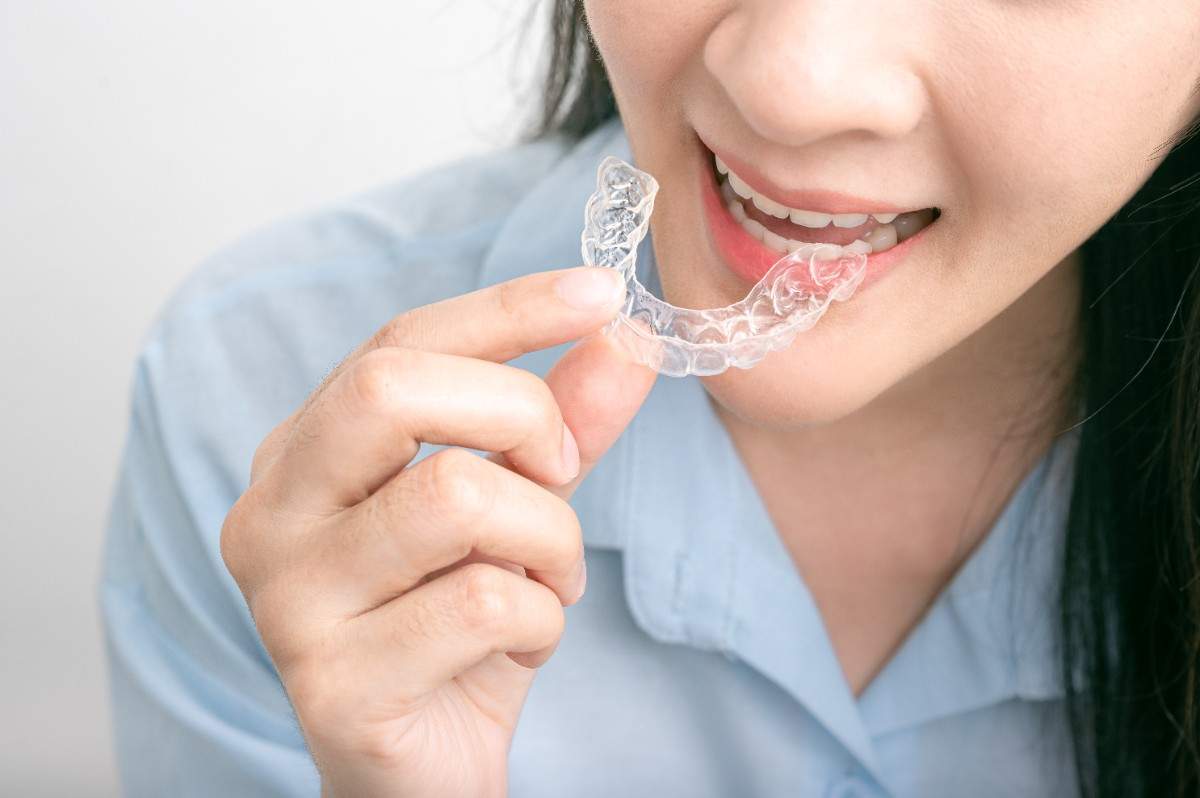
The most important rule in preventing Invisalign relapse is simple. Wear your retainers 24 hours a day as directed by Dr. Kapadia.
Consistency is everything. Wearing your retainers less than recommended can allow teeth to move. Even minor shifts can gradually become larger alignment problems.
At House of Dentistry, Dr. Kapadia clearly explains that retainers are not optional. They are a critical part of your treatment, and he encourages every patient to explore long-term smile maintenance with Dr. Kapadia to protect their results.
If you have completed Invisalign treatment, your smile must be protected with disciplined retainer wear. Think of retainers as insurance for your results.
Why 24 Hour Wear Matters
Some patients believe that slight gaps in wear time will not make a difference. That assumption can lead to relapse.
Teeth respond quickly to pressure changes. When retainers are not worn as instructed, teeth can begin shifting within a short period. Once movement begins, reversing it may require additional correction.
Dr. Kapadia’s approach is built on prevention. He guides patients carefully so they understand that wearing retainers 24 hours a day is the safest and most reliable way to maintain alignment.
This commitment protects your bite, spacing, and smile symmetry.
Proper Retainer Care
Wearing retainers correctly is important, but maintaining them properly is equally essential.
Clean retainers daily to prevent bacterial and plaque buildup. A dirty retainer can affect gum health, which in turn can impact tooth stability. Healthy gums support strong alignment.
Retainers should fit securely and feel comfortable. If a retainer feels tight after a short gap in wear, that may indicate early shifting. Contact House of Dentistry if you notice changes in fit. Dr. Kapadia ensures that patients understand how to care for their retainers and how critical that care is in preventing relapse, and encourages patients to discover retainer guidance from Dr. Kapadia to maintain long-term stability.
Bite Stability and Long-Term Balance
A properly aligned bite helps reduce the risk of relapse. When upper and lower teeth meet evenly, forces are distributed more naturally.
If bite forces are uneven, certain teeth may experience more pressure, increasing the risk of movement.
Dr. Kapadia carefully evaluates bite harmony after Invisalign treatment. As a Top 1% Invisalign provider in North America, he applies his expertise to identify and correct minor shifts before they become noticeable.
Long-term stability depends on balanced alignment.
Gum Health and Its Role in Preventing Relapse
Healthy gums anchor teeth in place. Gum inflammation, or periodontal disease, weakens support structures and increases the risk of tooth shifting.
Maintaining excellent oral hygiene protects your results. Brush thoroughly, floss daily, and attend routine dental visits at House of Dentistry. Dr. Kapadia emphasizes that preventing Invisalign relapse is not only about wearing retainers. It is also about maintaining overall oral health. Strong gum health plays a key role in maintaining alignment, supporting Dr. Kapadia’s advice on preventing tooth movement.
Grinding and Clenching Awareness
Teeth grinding and clenching can apply strong forces to teeth, especially at night. These forces can slowly alter alignment.
If you grind your teeth, inform Dr. Kapadia. Protective solutions can help minimize pressure on aligned teeth.
Uncontrolled grinding increases relapse risk. Addressing it early helps maintain stability.
What Happens If Relapse Occurs
If relapse begins, options may include minor refinements or corrective aligners. The earlier it is addressed, the simpler the correction.
Ignoring relapse can lead to bite discomfort, uneven wear, or cosmetic concerns.
Dr. Kapadia’s preventive approach minimizes the need for retreatment. His experience as a leading Invisalign provider ensures that patients receive structured guidance that reduces the risk of relapse.
Prevention is always easier than correction.
The Consultation Process
Your Invisalign journey begins with a detailed evaluation that includes:
- Digital scans
- Bite assessment
- Smile analysis
- Customized treatment planning
Patients ready to take the next step can schedule through the Contact Us page.
For directions to the clinic, use Google Maps to plan your visit.
Why Choose House of Dentistry?
Patients choose House of Dentistry because of:
- Diamond Provider distinction
- Top 1% Invisalign experience in North America
- Advanced digital technology
- Personalized care
- Comprehensive services in one location
Invisalign Relapse Prevention Checklist
To summarize the most important steps:
- Wear your retainers 24 hours a day as instructed
- Maintain excellent oral hygiene
- Keep gums healthy
- Address grinding or clenching
- Monitor for subtle alignment changes
- Seek guidance if retainers feel different
Consistency is the foundation of long-term stability.
Key Takeaways
- Teeth can naturally shift after Invisalign treatment without proper retention.
- Wearing retainers 24 hours a day is essential to prevent relapse.
- Healthy gums and good oral hygiene support long-term stability.
- Grinding and bite pressure can increase the risk of shifting.
- Early signs of movement should be addressed immediately.
Frequently Asked Questions
1. Why do teeth move after Invisalign treatment?
Teeth move because the surrounding ligaments and bone need time to stabilize in their new positions. Without consistent retainer wear, natural forces can shift teeth back.
2. Is wearing retainers really necessary long-term?
Yes. Retainers are essential for maintaining results. They protect the alignment achieved during Invisalign treatment.
3. What happens if I stop wearing my retainers?
Teeth can gradually shift. Even small gaps in wear may allow movement that could require additional correction.
4. Can gum problems affect relapse?
Yes. Gum disease weakens support structures and increases the likelihood of shifting. Healthy gums help keep teeth stable.
5. How can I tell if my teeth are shifting?
If your retainer feels tighter, your bite feels different, or you notice changes in spacing, these may be early signs of relapse. Contact House of Dentistry for evaluation.
Conclusion
Preventing Invisalign relapse requires commitment, awareness, and discipline. The alignment you achieved did not happen by chance. It was carefully planned and guided by Dr. Kapadia at House of Dentistry. Maintaining that alignment is your responsibility moving forward. Wearing retainers 24 hours a day as directed, protecting gum health, and addressing early changes promptly will preserve your results, so be sure to find post-Invisalign care with Dr. Kapadia.
Dr. Kapadia’s experience as a Top 1% Invisalign provider in North America ensures that your treatment was designed for stability. With consistent effort and proper care, your new smile can remain straight, functional, and confident for years to come.
Remember: Your new smile needs protection every single day. Consistency with your retainers keeps relapse away.
Disclaimer: This blog is for educational purposes only and does not replace professional dental advice. Please consult Dr. Kapadia at House of Dentistry for personalized guidance regarding your Invisalign treatment and retention plan.

New patients and emergency appointments welcome
732-510-0990
Schedule Now
