


Dr. Kapadia is a highly skilled and compassionate dentist proudly serving the Metuchen community. Known for his patient-first approach, he focuses on building trust through open communication and personalized care. He takes the time to understand each patient’s concerns, creating tailored treatment plans that support both oral health and overall well-being. By incorporating advanced dental technology, including digital imaging and co-diagnostics, Dr. Kapadia ensures precise and collaborative care. Whether it is preventive care or a complete smile transformation, he delivers a comfortable and reassuring experience. Outside the practice, he enjoys time with his wife Nicole, their puppy Lola, and exploring travel, food, and sports.
Dr. Joseph is a dedicated dentist who combines artistic precision with genuine compassion to create natural, confidence-boosting smiles. With advanced expertise in shade matching and ceramics, he delivers highly personalized results that enhance both appearance and function. A top-10 graduate of the Rutgers School of Dental Medicine, he was inducted into the prestigious Omicron Kappa Upsilon Honor Dental Society. He further refined his skills during residency at Newark Beth Israel Medical Center, training alongside leading specialists. Known for his warm, attentive approach, Dr. Joseph ensures every patient feels heard, comfortable, and confident throughout their dental journey.
Dental surgery can feel like a big step, whether it is a tooth extraction, dental implant, gum treatment, or another procedure. Many patients focus on the surgery itself, but what happens after the procedure is just as important. The way you care for your mouth during recovery can affect how quickly you heal and how comfortable the process feels.
At House of Dentistry, Dr. Kapadia and Dr. Joseph always remind patients that proper aftercare is the key to avoiding complications and getting the best results. With the right habits and a little patience, recovery can be smooth and stress-free.
This guide will walk you through dentist-recommended aftercare tips in a simple, practical way, so you know exactly what to do after your dental procedure.
Why Aftercare Matters More Than You Think
After dental surgery, your mouth needs time to heal. The treated area may be sensitive, swollen, or slightly painful. This is normal. What matters is how you support your body during this healing phase. To ensure a smooth recovery, you can find recovery guidance from Dr. Kapadia.
Good aftercare helps to:
- Reduce pain and swelling
- Prevent infections
- Protect the surgical site
- Promote faster healing
- Avoid complications like dry socket or delayed recovery
Skipping proper care can lead to discomfort and may even affect the success of the treatment. That is why following your dentist’s instructions is essential.
The First 24 Hours Are Critical
The first day after surgery plays a major role in your recovery. During this time, your body starts forming a blood clot at the surgical site. This clot is important because it protects the area and supports healing. You canlearn about post-procedure care from Dr. Kapadia and Dr. Joseph to support proper healing during this phase.
Here is what you should focus on during the first 24 hours:
- Control bleeding
Bite gently on the gauze provided by your dentist. Change it as instructed. Slight bleeding is normal, but it should gradually reduce.
- Rest properly
Avoid any physical activity. Give your body time to recover. Keep your head slightly elevated while resting.
- Do not rinse or spit forcefully
This can dislodge the blood clot and slow healing.
- Avoid touching the area
Do not poke the surgical site with your tongue or fingers.
Dr. Kapadia often advises patients to take it easy on the first day. A calm and careful approach can make the rest of your recovery much smoother.
Managing Pain and Swelling
Pain and swelling are common after dental surgery, but they can be managed easily with the right steps.
- Use prescribed medications
Take any pain relievers or antibiotics exactly as directed. Do not skip doses.
- Apply a cold compress
Place an ice pack on the outside of your cheek for 10 to 15 minutes at a time. This helps reduce swelling.
- Keep your head elevated
Sleeping with an extra pillow can minimize swelling.
Most discomfort improves within a few days. If the pain worsens rather than improves, contact your dentist.
Eating the Right Foods
Your diet plays a big role in healing. After dental surgery, your mouth needs soft and gentle foods that do not irritate the area.
Best foods to eat:
- Yogurt
- Mashed potatoes
- Smoothies
- Soups that are not too hot
- Scrambled eggs
- Soft fruits like bananas
Foods to avoid:
- Hard or crunchy foods
- Spicy items
- Very hot foods or drinks
- Sticky foods
- Foods with seeds or small particles
Dr. Kapadia recommends sticking to soft foods for the first few days and slowly returning to your normal diet as you feel comfortable.
Staying Hydrated the Right Way
Drinking enough fluids helps your body heal faster. However, how you drink is just as important.
- Drink plenty of water throughout the day
- Avoid using straws, as suction can disturb the healing site
- Stay away from carbonated or alcoholic drinks during recovery
Hydration supports tissue repair and keeps your mouth clean.
Oral Hygiene After Surgery
Keeping your mouth clean is essential, but it needs to be done carefully.
First day:
Avoid brushing near the surgical area.
After 24 hours:
- Gently brush your teeth, avoiding the treated site
- Rinse your mouth with a mild saltwater solution if advised
- Do not use strong mouthwashes unless recommended
Maintaining hygiene helps prevent infection without disturbing the healing process.
Avoiding Common Mistakes
Many patients unknowingly delay healing by making small mistakes. Being aware of these can make a big difference.
- Do not smoke or use tobacco
Smoking can slow healing and increase the risk of complications.
- Avoid alcohol
It can interfere with medications and delay recovery.
- Do not skip medications
Follow the prescribed schedule strictly.
- Do not chew on the treated side
This can irritate the surgical area.
Dr. Kapadia often emphasizes that simple precautions can prevent bigger issues later.
Signs of Normal Healing vs Warning Signs
It is important to understand what is normal and what may need attention.
Normal signs:
- Mild swelling
- Slight bleeding on the first day
- Gradual improvement in pain
- Tenderness around the area
Warning signs:
- Severe or increasing pain after a few days
- Persistent bleeding
- Swelling that worsens
- Fever
- Bad taste or odor in the mouth
If you notice any of these warning signs, contact House of Dentistry immediately. Early care can prevent complications.
Getting Back to Daily Routine
Most patients can return to their normal routine within a few days, depending on the type of procedure.
Work and activities:
- Light activities can usually resume within 24 to 48 hours
- Avoid heavy exercise for a few days
Talking and chewing:
- Start slowly and avoid putting pressure on the treated area
Follow-up visits:
- Attend all scheduled appointments to ensure proper healing
Dr. Kapadia closely monitors your recovery and may adjust your care plan if needed.
The Role of Rest in Healing
Rest is often underestimated, but it is one of the most important parts of recovery.
When your body is well rested:
- Healing happens faster
- Swelling reduces more quickly
- Your immune system works better
Try to get enough sleep and avoid stress during the recovery period.
Long-Term Care After Healing
Once your mouth has healed, maintaining good oral health becomes the priority.
- Brush and floss regularly
- Visit your dentist for routine checkups
- Follow any specific care instructions related to your procedure
For treatments like implants or gum procedures, long-term care ensures lasting results. Dr. Kapadia’s dental surgery recovery tips help patients understand how to maintain their results effectively. Our doctors at House of Dentistry guide patients not just through recovery, but also through maintaining their results for years to come.
The Consultation Process
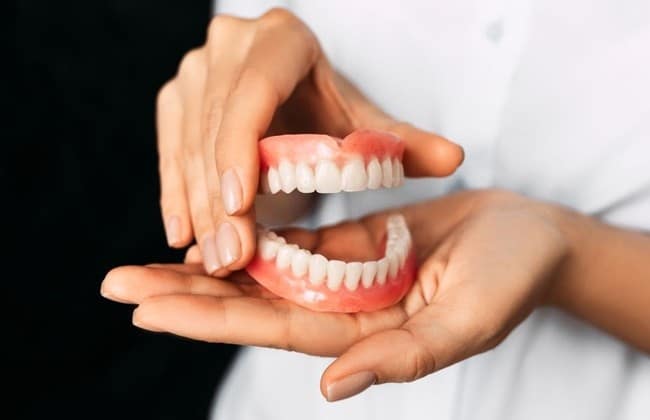
Your denture journey begins with a detailed evaluation that includes:
- Oral examination
- Gum and bone assessment
- Impressions or digital scans
- Customized denture treatment planning
Patients ready to take the next step can schedule through the Contact Us page.
For directions to the clinic, use Google Maps to plan your visit.
Why Choose House of Dentistry?
Patients choose House of Dentistry because of:
- Diamond Provider distinction
- Top 1% Invisalign experience in North America
- Advanced digital technology
- Personalized care
- Comprehensive services in one location
- Care led by Dr. Kapadia and Dr. Joseph
Key Takeaways
- The first 24 hours after dental surgery are crucial. Protect the blood clot and allow your body to rest.
- Follow proper pain and swelling management using medications, cold compresses, and head elevation.
- Stick to soft foods and stay hydrated while avoiding straws, alcohol, and hard foods.
- Maintain gentle oral hygiene without disturbing the surgical area.
- Avoid smoking, alcohol, and unnecessary pressure on the treated side to prevent complications.
- Watch for warning signs like severe pain, prolonged bleeding, or swelling, and contact your dentist if needed.
FAQ’s
1. How long does it take to heal after dental surgery?
Healing time varies, but most patients feel better within a few days, with full healing taking a few weeks, depending on the procedure.
2. Can I brush my teeth after dental surgery?
Yes, but avoid the surgical area for the first day and brush gently afterward.
3. What should I do if bleeding does not stop?
Apply gentle pressure with gauze and contact your dentist if it continues.
4. Is swelling normal after dental surgery?
Yes, mild swelling is normal and usually improves within a few days.
5. When can I eat normally again?
You can gradually return to normal foods as comfort improves, usually after a few days.
Conclusion
Recovering from dental surgery does not have to be stressful or confusing. With the right guidance and simple care steps, healing can be smooth and comfortable. Discover dental surgery aftercare with Dr. Kapadia and Dr. Joseph to better understand what to expect during recovery. Our doctors at House of Dentistry believe that patient education plays a big role in successful outcomes. When you understand what to expect and how to care for your mouth, you feel more confident throughout the process.
From managing pain to choosing the right foods and maintaining hygiene, every step you take supports your recovery. Explore healing instructions from Dr. Kapadia to make informed decisions during your recovery. Sticking to these aftercare tips helps you avoid complications and enjoy the benefits of your treatment sooner.
Your smile is an investment, and proper aftercare ensures that investment lasts.
Remember :Take it slow, follow your dentist’s advice, and give your body time to heal. Small, daily steps lead to a smooth and successful recovery.
Disclaimer: This content is for informational purposes only and should not replace professional dental advice. Always follow the instructions provided by Dr. Kapadia, Dr. Joseph, or your dental care provider for your specific treatment and recovery needs.
New patients and emergency appointments welcome
732-510-0990
Schedule Now
