


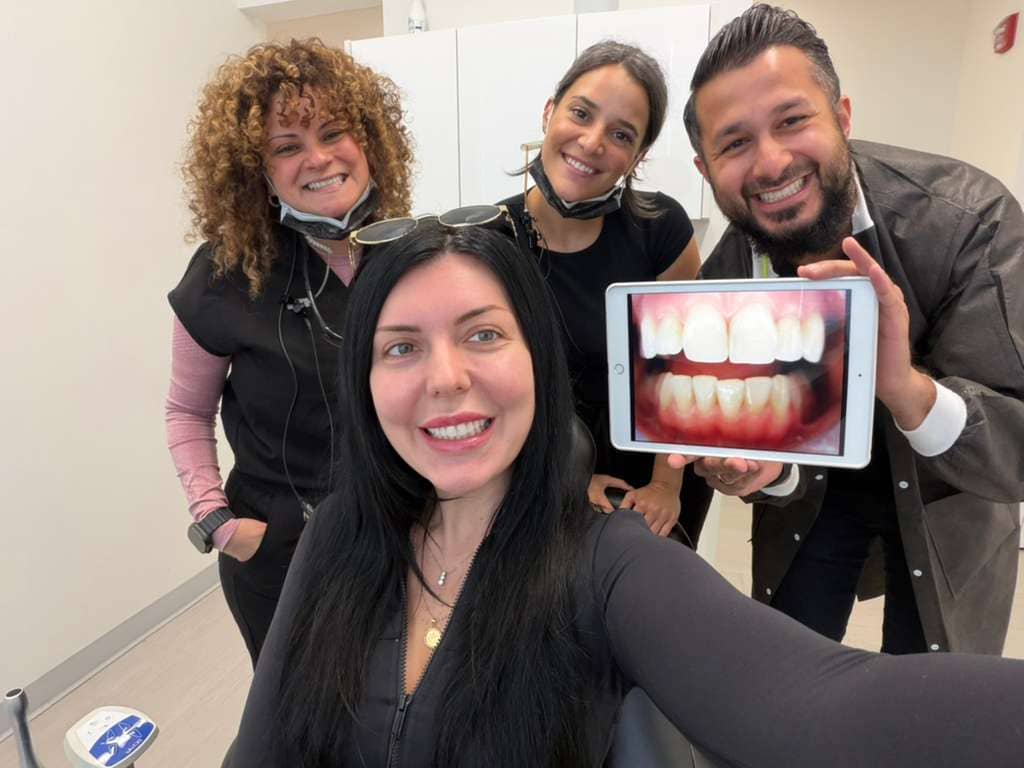
| Quick answer Getting Invisalign involves a short adjustment period, possible attachments, a brief speech change, and consistent daily wear, but the clear aligners are comfortable and effective when guided by a skilled dentist like Dr. Kapadia at House of Dentistry in Metuchen, NJ. |
| 24 hours Daily aligner wear time | A few days Typical initial adjustment | Attachments Often part of the plan | Metuchen, NJ Where we treat patients |
| Key takeaways 1. Mild pressure in the first few days is normal and fades quickly as your mouth adapts. 2. Small tooth-colored attachments are often part of the plan and help move teeth predictably. 3. Wearing your aligners a full 24 hours a day is the single biggest driver of results. 4. Retention after treatment keeps your new smile stable for the long term. 5. Choosing a skilled, experienced dentist matters more than the brand of aligner. |
What Nobody Tells You About Getting Invisalign
The honest answer is that Invisalign is a smooth, comfortable way to straighten teeth, but there are small realities most people only discover after they start. You will feel mild pressure early on; you may notice a brief change in speech, and small attachments are often placed on your teeth to guide movement. None of these are problems. They are simply parts of the journey that a clear conversation ahead of time can prepare you for.
The short answer for busy patients
Wear your aligners a full 24 hours a day, keep your teeth and aligners clean, attend your check-in visits, and follow the retention plan afterward. Do those four things and you set yourself up for a great result.
Who this guide is for and how we treat cases in Metuchen, NJ
This guide is for anyone considering clear aligners who wants a realistic picture before starting. At House of Dentistry in Metuchen, NJ, Dr. Anuj Kapadia and Dr. Joseph use digital imaging and careful planning so you understand each stage of your treatment and know what to expect.
1. There Is an Adjustment Period You Should Plan For
Yes, there is a short adjustment period, and planning for it makes the experience much easier. Most people feel mild pressure and tenderness during the first few days as their teeth begin to respond to the aligners. This sensation is a normal sign that treatment is working.
Mild pressure and soreness are normal early on
The tightness you feel simply means gentle forces are guiding your teeth. Soft foods and cool water can help during the first day or two. A recent review of clear aligner effects found that discomfort is usually mild and temporary, which matches what our patients report. You can read the findings in this published review on clear aligner adverse effects, which reviewed common short-term issues and confirmed that most settle quickly.
How your mouth adapts over the first few days
Your cheeks, tongue, and gums adjust within a week for most people. By the time your mouth is comfortable, wearing your aligners feels like a natural part of your day. Dr. Kapadia often reminds patients that the first 72 hours are the hardest, and it gets easier from there.
2. Your Speech May Change Briefly
A slight lisp is common at first, but it almost always disappears within days. The aligners sit against the back of your upper teeth, and your tongue needs a short time to relearn familiar sounds.
The temporary lisp most people notice
Words with an s or th sound may feel different for a day or two. This is completely normal and rarely noticeable to anyone but you.
Simple ways to adapt faster
- Read out loud for a few minutes each day.
- Practice tricky words slowly, then at normal speed.
- Stay hydrated to keep your mouth comfortable.
Most patients tell us their speech feels completely normal by the end of the first week.
3. Attachments Are Often Part of the Plan
Yes, many treatment plans include small tooth-colored attachments, and they play an important role. These little shapes bond to certain teeth and give the aligners something to grip so they can guide specific movements.
What attachments do and why they matter
Attachments act like tiny handles. They help rotate, tip, or lift teeth that would be difficult to move with the aligner surface alone. Because they are tooth colored, they blend in and are far less visible than many people expect.
How attachments improve tooth-movement predictability
Research shows that features such as attachments improve how predictably teeth move during clear aligner treatment. A systematic review on the factors influencing aligner success highlighted that thoughtful planning and these small design elements strongly affect outcomes, which you can explore in this review on the predictability and success of aligners. The study reinforced how much careful case design matters to the final result.
4. Consistent Wear Time Drives Results
Wearing your aligners for a full 24 hours a day is the single most important factor in your success. Aligners can only move your teeth while they are in place, so consistency is everything.
Why compliance is the biggest success factor
Even the best plan cannot work if the aligners are not worn as directed. Consistent wear keeps your teeth tracking with each stage of the plan and helps you finish on schedule.
| A note from Dr. Kapadia “The patients who love their results are almost always the ones who commit to full-time wear. Build the habit early, and the rest of the process takes care of itself.” |
Building the habit into your daily routine
Attach the habit to things you already do, such as your morning and evening routines. A quick mental check throughout the day helps keep you on track without much effort.
5. Cleaning Habits Become Even More Important
Clear aligners make good hygiene essential because they hold saliva and bacteria close to your teeth. Keeping both your teeth and your aligners clean protects your smile throughout treatment.
Keeping teeth and aligners clean
| Use these 1. A soft-bristled toothbrush for teeth and aligners 2. Lukewarm water for rinsing your aligners 3. Fluoride toothpaste for daily brushing 4. Gentle, dentist-approved aligner cleaners | Avoid these 1. Hot water, which can warp the plastic 2. Colored or heavily scented soaps 3. Abrasive scrubbing that scratches the surface4. kipping brushing before your aligners go back on |
Protecting your enamel and gums during treatment
Brush gently along the gumline and floss daily to keep your gums healthy. Clean aligners stay clear and comfortable, and healthy gums help your teeth move as planned. Dr. Joseph often points out that great hygiene during treatment leads to a brighter, healthier smile at the finish.
6. Results Depend on Your Specific Case Complexity
Your results depend heavily on how simple or complex your case is. Clear aligners handle many common concerns very well, but some situations call for a combined approach.
What clear aligners treat well
- Crowded teeth
- Spacing and small gaps
- Many mild to moderate bite concerns
- Relapse after previous treatment
When your dentist may recommend combined approaches
For more complex movements, additional tools may be paired with your aligners for the best outcome. A systematic review comparing clear aligners with fixed appliances found that aligners perform well for many cases while certain complex movements can be more demanding. You can read that comparison in this study comparing aligner and fixed appliance treatment, which helps explain why a tailored plan matters. At House of Dentistry, Dr. Kapadia reviews your case in detail before recommending the right path.
7. Regular Check-Ins Keep Treatment on Track
Regular progress visits are a quiet but vital part of Invisalign. They let your dentist confirm that your teeth are moving as planned and make adjustments early if needed.
What happens at progress visits
1. Progress review
We compare your teeth to the digital plan to confirm everything is tracking well.
2. Comfort and fit check
We make sure your aligners are seating fully and comfortably.
3. Next steps
We provide your upcoming aligners and answer any questions you have.
How refinements are handled
If a tooth needs a little extra guidance near the end, refinements are a normal part of the process. They involve additional aligners that fine-tune your final result so your smile finishes exactly as planned.
8. Comfort Is Generally Better Than Traditional Braces
Most people find clear aligners more comfortable than traditional braces because no brackets or wires are rubbing against the cheeks. The smooth plastic sits close to your teeth and feels far less bulky.
The smooth, low-profile design
The rounded edges are gentle on your lips and cheeks, so irritation is uncommon once you adjust. Many patients describe the aligners as barely noticeable after the first week.
What research says about the patient experience
A systematic review of clear aligner effectiveness reported favorable patient experiences and solid results for suitable cases. You can review the findings in this systematic review of Invisalign effectiveness, which looked closely at outcomes and patient comfort across many studies.
9. Retention Is Part of the Full Journey
Retention is essential because teeth naturally tend to drift after treatment. Wearing a retainer as directed protects the investment you just made in your smile.
Why teeth can shift after treatment
The tissues around your teeth need time to settle into their new positions. Without retention, teeth can gradually move back toward where they started.
Planning for long-term stability
Your retainer plan is designed to keep your results stable for years. Dr. Kapadia and Dr. Joseph walk every patient through this step so the finished smile stays beautiful long after treatment ends.
10. Choosing an Experienced Provider Matters Most
The skill of your provider matters more than any single feature of the aligner system. Careful planning, accurate attachment placement, and steady monitoring are what turn a good plan into a great result.
How provider skill affects your outcome
Two patients with similar teeth can have very different results depending on how well their treatment is designed and managed. Experience and attention to detail make the difference.
Questions to ask before you start in Metuchen, NJ
- How many aligner cases have you treated?
- Will my plan include attachments, and why?
- How will you monitor my progress?
- What does my retention plan look like?
Find Us
For directions, use this helpful Google Maps link or get step-by-step navigation via Get Directions. Schedule an appointment to learn more.
Meet Dr. Kapadia
A Metuchen native, Dr. Anuj Kapadia is passionate about combining exceptional dentistry with an unparalleled patient experience. He believes service is a lost art in dentistry and leads the House of Dentistry team with a commitment to going above and beyond for every patient.
Dr. Kapadia is an Invisalign® Blue Diamond Provider and the only general dentist in Central New Jersey to hold this distinction. With more than 1,000 hours of advanced Invisalign education, he helps transform hundreds of smiles each year through Invisalign and cosmetic smile makeovers. His expertise has earned recognition beyond the practice, including features in The National Enquirer and The Patch. He also serves as an attending dentist at JFK Medical Center, where he contributes to the education and development of the next generation of dentists.
Outside the office, Dr. Kapadia loves traveling with his family, great wine, cheering on the Knicks, and constantly picking up new hobbies. His latest is Brazilian Jiu-Jitsu, where he’s enjoying the process of being a beginner all over again.
Meet Dr. Joseph
Dr. Joseph specializes in combining artistry and compassion in his approach to dentistry. With an advanced understanding of shade and ceramics, he creates natural-looking, customized smiles that enhance each patient’s confidence. Known for his warm and attentive care, he takes time to listen, ease concerns, and ensure patients feel comfortable every step of the way. For Dr. Joseph, dentistry is about more than teeth- it’s about helping people smile with confidence.
Graduating in the top 10 of his class at Rutgers School of Dental Medicine, Dr. Joseph was inducted into the prestigious Omicron Kappa Upsilon Honor Dental Society- an honor reserved for the highest-achieving dental professionals. He then went on to complete his residency training at Newark Beth Israel Medical Center, where he was mentored by over 60 specialists and completed hundreds of hours of advanced continuing education. Outside the office, Dr. Joseph brings the same creativity and energy to life– he’s an avid painter, a passionate traveler, and stays active, making him just as fun and interesting beyond dentistry as he is dedicated within it.
Frequently asked questions
| Q: Does getting Invisalign hurt? No, Invisalign does not usually hurt. Most people feel mild pressure or tenderness for the first few days, which is a normal sign that your teeth are beginning to move. This feeling fades quickly as your mouth adapts, and soft foods and cool water can make the first day or two easier. |
| Q: How long does Invisalign treatment usually take? Treatment length depends on your individual case. Simpler concerns such as minor crowding or small gaps often finish sooner, while more complex movements take longer. Wearing your aligners a full 24 hours a day helps keep your treatment on schedule. |
| Q: Are Invisalign attachments noticeable? Attachments are small and tooth colored, so they blend in and are far less noticeable than many people expect. They bond to certain teeth to help the aligners grip and guide precise movements. |
Remember: Wear your aligners a full 24 hours a day, keep everything clean, and follow your retention plan for the best results.
Disclaimer: This article is for general information only and is not a substitute for a personal evaluation. Please consult Dr. Kapadia at House of Dentistry for advice specific to your smile.
New patients and emergency appointments welcome
732-510-0990
Schedule Now
