


Dr. Kapadia is a highly skilled and compassionate dentist proudly serving the Metuchen community. Known for his patient-first approach, he focuses on building trust through open communication and personalized care. He takes the time to understand each patient’s concerns, creating tailored treatment plans that support both oral health and overall well-being. By incorporating advanced dental technology, including digital imaging and co-diagnostics, Dr. Kapadia ensures precise and collaborative care. Whether it is preventive care or a complete smile transformation, he delivers a comfortable and reassuring experience. Outside the practice, he enjoys time with his wife Nicole, their puppy Lola, and exploring travel, food, and sports.
Dr. Joseph is a dedicated dentist who combines artistic precision with genuine compassion to create natural, confidence-boosting smiles. With advanced expertise in shade matching and ceramics, he delivers highly personalized results that enhance both appearance and function. A top-10 graduate of the Rutgers School of Dental Medicine, he was inducted into the prestigious Omicron Kappa Upsilon Honor Dental Society. He further refined his skills during residency at Newark Beth Israel Medical Center, training alongside leading specialists. Known for his warm, attentive approach, Dr. Joseph ensures every patient feels heard, comfortable, and confident throughout their dental journey.
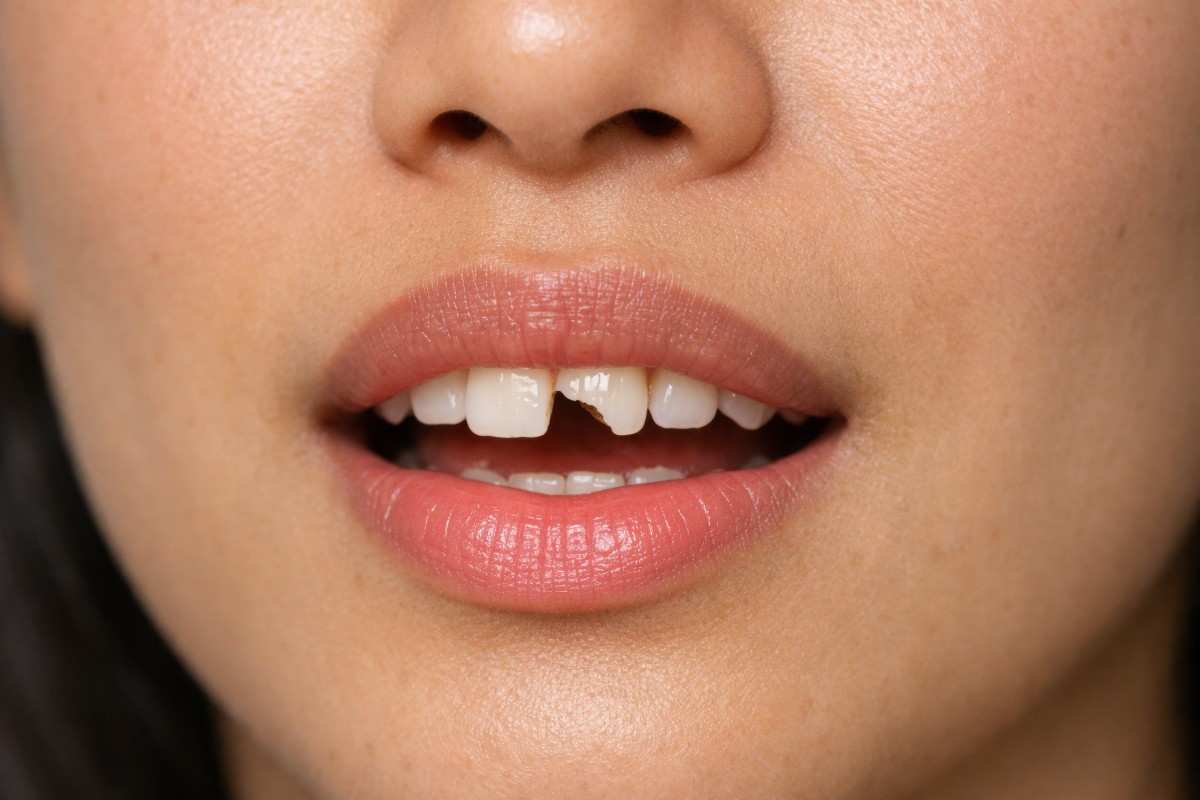
A chipped tooth can happen when you least expect it. You might be eating something hard, playing sports, or even grinding your teeth at night. Suddenly, you feel a rough edge or notice a small piece missing. While it may not always hurt right away, a chipped tooth should never be ignored. It can affect how your smile looks, how your teeth function, and even your overall oral health.
At House of Dentistry, Dr. Kapadia and Dr. Joseph regularly help patients manage chipped teeth with both quick fixes and long-term solutions. Dr. Kapadia, a Diamond Provider and Top 1% Invisalign provider in North America, focuses on creating treatment plans that are not only effective but also comfortable and long-lasting.
This guide will help you understand what to do immediately after chipping a tooth, the difference between temporary and permanent fixes, and how to choose the right treatment for your situation.
What Is a Chipped Tooth?
A chipped tooth occurs when a small portion of the tooth enamel breaks off. It can be minor or more serious depending on how much of the tooth is affected, and understanding when to see Dr. Anuj Kapadia for a cracked or chipped tooth is important for timely care.
Common causes include:
- Biting hard foods like ice, nuts, or hard candy
- Accidental falls or injuries
- Teeth grinding or clenching
- Weak enamel due to decay
- Old dental work that has worn down
Sometimes, a chipped tooth is only a cosmetic issue. Other times, it can expose the inner layers of the tooth, leading to sensitivity or pain.
Signs You May Have a Chipped Tooth
Not all chips are easy to see. Some are very small and only noticeable when you feel them with your tongue, which is why Dr. Anuj Kapadia explains treatment options for a chipped tooth clearly to help guide the right next steps.
Look out for these signs:
- A rough or sharp edge on the tooth
- Pain when biting or chewing
- Sensitivity to hot or cold
- Visible missing piece of the tooth
- Swelling around the affected area
Even if there is no pain, it is important to have the tooth checked.
Immediate Steps to Take After Chipping a Tooth
If you chip a tooth, acting quickly can prevent further damage.
Here is what you should do:
- Rinse your mouth with warm water to keep the area clean
- Save any broken pieces if possible
- Avoid chewing on that side of your mouth
- Cover sharp edges with dental wax if available
- Take over-the-counter pain relief if needed
These steps help protect the tooth until you can see a dentist.
Temporary Fixes for a Chipped Tooth
Temporary solutions are helpful when you need quick relief before getting professional treatment. They are not meant to last long, but they can reduce discomfort and protect your tooth, while long-term solutions for tooth damage with Dr. Joseph Youssef are planned for lasting results.
- Dental Wax or Sugar-Free Gum
You can place dental wax or sugar-free gum over the sharp edge to prevent irritation to your tongue or cheeks.
- Over-the-Counter Dental Repair Kits
These kits are available at pharmacies and can temporarily fill small chips. They usually contain a soft material that hardens slightly after application.
- Avoiding Certain Foods
Stick to soft foods and avoid anything hard, sticky, or crunchy. This reduces the risk of further damage.
- Pain Management
If you feel sensitivity, using toothpaste for sensitive teeth can help until you get proper treatment.
Temporary fixes are only short-term solutions. They do not restore the tooth’s strength or structure.
Why Temporary Fixes Are Not Enough
While temporary fixes can be helpful, they do not solve the root problem.
Here is why you should not rely on them:
- They do not protect the tooth long-term
- They can wear off quickly
- They do not prevent infection or decay
- They do not restore full function
Delaying proper treatment can make the problem worse and may lead to more complex procedures later.
Permanent Solutions for a Chipped Tooth
Permanent treatments are designed to restore both the appearance and strength of your tooth. As Dr. Anuj Kapadia explains, treatment options for a chipped tooth depend on the size of the chip and the tooth’s condition.
Dental Bonding
Dental bonding is one of the most common treatments for small chips.
- A tooth-colored resin is applied to the chipped area
- The material is shaped to match your natural tooth
- It is hardened using a special light
Bonding is quick, cost-effective, and usually completed in one visit.
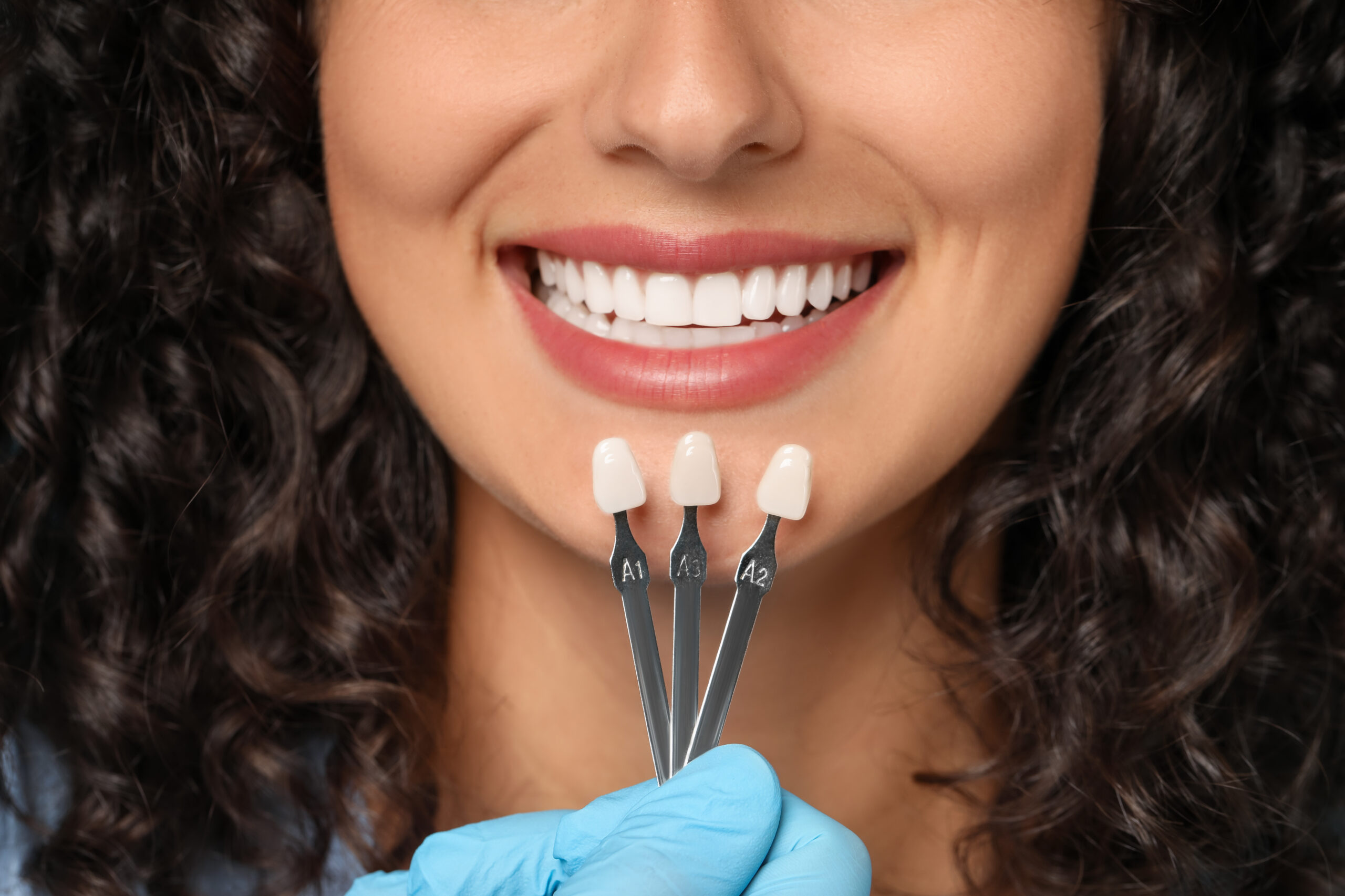
Dental Veneers
For larger chips or visible front teeth, veneers are a great option.
- Thin shells are placed over the front surface of the tooth
- They improve both shape and color
- They provide a natural-looking finish
Veneers are durable and offer long-term cosmetic improvement.
Dental Crowns
If a large portion of the tooth is damaged, a crown may be needed.
- The tooth is reshaped
- A custom-made cap is placed over it
- It restores strength and function
Crowns are often used when a tooth is weak or at risk of breaking.
Root Canal Treatment
If the chip exposes the inner pulp of the tooth, a root canal may be required.
- The infected tissue is removed
- The inside of the tooth is cleaned
- A crown is usually placed afterward
This treatment saves the natural tooth and prevents further complications.
How to Choose the Right Treatment
Choosing the right solution depends on several factors:
- Size and location of the chip
- Whether there is pain or sensitivity
- Condition of the surrounding teeth
- Your long-term oral health goals
At House of Dentistry, Dr. Kapadia carefully evaluates each case and explains all available options, focusing on long-term solutions for tooth damage with Dr. Joseph Youssef. Dr. Joseph also supports treatment planning to ensure the best outcome for every patient.
Preventing Chipped Teeth
Prevention is always better than treatment.
Here are simple ways to protect your teeth:
- Avoid chewing on hard objects like ice or pens
- Wear a mouthguard during sports
- Address teeth grinding with a nightguard
- Maintain regular dental checkups
- Follow good oral hygiene habits
Dr. Kapadia often emphasizes prevention as a key part of long-term dental care.
When to See a Dentist
You should see a dentist as soon as possible if:
- The chip is large or painful
- You notice sensitivity
- There is bleeding or swelling
- The tooth feels loose
Even small chips should be evaluated to avoid complications.
Why Choose House of Dentistry?
Patients choose House of Dentistry because of:
- Top 1% Invisalign experience in North America
- Advanced digital technology
- Personalized care
- Diamond Provider distinction
- Comprehensive services in one location
FAQ’s
1. Can a chipped tooth heal on its own?
No, a chipped tooth cannot repair itself. Professional treatment is needed to restore it.
2. Is a small chipped tooth serious?
Even a small chip can lead to bigger issues if left untreated. It is best to have it checked.
3. How long does dental bonding last?
Dental bonding can last several years with proper care, but it may need touch-ups over time.
4. Does fixing a chipped tooth hurt?
Most treatments are comfortable and may only require minimal numbing.
5. Can I eat normally with a chipped tooth?
It is best to avoid hard or crunchy foods until the tooth is properly treated.
Conclusion
A chipped tooth may seem like a minor problem, but it can quickly become a bigger issue if left untreated. Temporary fixes can help in the short term, but they are not a replacement for professional care. Chipped tooth repair options focus on permanent solutions that not only restore your smile but also protect your long-term oral health.
At House of Dentistry, Dr. Kapadia and Dr. Joseph focus on providing reliable, effective treatments that meet your needs. Whether the chip is minor or severe, getting the right care at the right time makes all the difference.
Remember: A chipped tooth today can become a bigger problem tomorrow. Early treatment keeps your smile strong and healthy.
Disclaimer: This content is for informational purposes only and should not be considered medical advice. Please consult Dr. Kapadia or Dr. Joseph at House of Dentistry for a proper diagnosis and personalized treatment plan.


New patients and emergency appointments welcome
732-510-0990
Schedule Now
