



Much like choosing between a custom-tailored garment and a carefully refined, ready-made piece, dental restorations follow different paths depending on precision, durability, and long-term goals. In restorative dentistry, these approaches are commonly known as direct and indirect. Understanding how they differ helps patients make informed decisions that support comfort, function, and lasting oral health.
At House of Dentistry, restorative care is guided by experience, advanced planning, and patient education. Led by Dr. Kapadia, a Diamond Provider and a Top 1% provider in North America, treatment recommendations are rooted in science, precision, and trust rather than quick fixes.
This blog explores the key differences between direct and indirect restorative dentistry, how each method supports oral function, and how Invisalign may complement restorative treatment planning when alignment plays a role.
Understanding Restorative Dentistry
Restorative Dentistry focuses on repairing and strengthening teeth affected by wear, decay, or structural damage. Its purpose goes beyond appearance, aiming to restore comfort, chewing efficiency, and balance within the mouth.
Patients interested in comprehensive care can discover restorative dentistry methods with Dr. Kapadia to understand how modern restorative solutions support long-term oral health.
Restorative treatment plans are designed to preserve natural tooth structure whenever possible while reinforcing strength and function.
What Is Direct Restorative Dentistry?
Direct restorative dentistry involves treatments performed directly on the tooth during a single visit. These restorations are shaped and finalized chairside, allowing for efficient repair and immediate reinforcement.
Direct Restorative Dentistry Explained by Dr. Kapadia
Direct restorative dentistry, explained by Dr. Kapadia, emphasizes conservative care that restores damaged areas while preserving surrounding tooth structure. Materials are carefully selected to blend naturally with existing teeth while supporting strength and comfort.
This approach is commonly used for small to moderate areas of damage where immediate restoration is beneficial.
Benefits of Direct Restorative Dentistry
Direct restorative solutions offer several advantages:
- Completed in a single visit
- Conservative preservation of natural tooth structure
- Immediate improvement in comfort and function
- Efficient and practical for minor restorations
These solutions play an important role in Dr. Kapadia’s dental restoration methods, especially when early treatment helps prevent further damage.
What Is Indirect Restorative Dentistry?
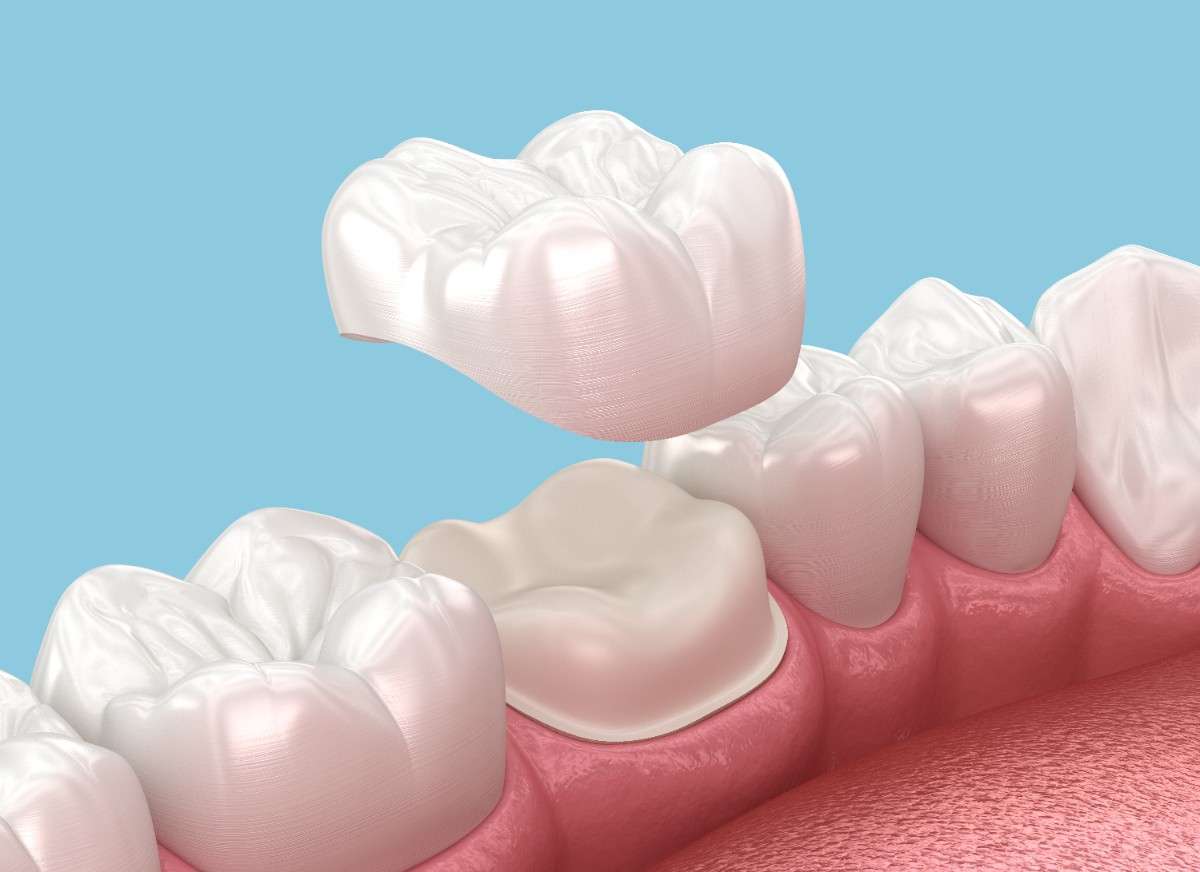
Indirect restorative dentistry involves restorations that are designed outside the mouth and later placed onto the tooth. These restorations are crafted using advanced materials and digital planning to ensure precision and durability.
Indirect Dental Restorations With Dr. Kapadia
Indirect dental restorations with Dr. Kapadia are carefully planned using detailed imaging and measurements. These restorations are designed to withstand higher biting forces while maintaining comfort and stability.
Patients can explore foundational knowledge through Learn, a trusted educational resource, to learn the difference between direct and indirect restorations with Dr. Kapadia.
Benefits of Indirect Restorative Dentistry
Indirect restorations provide several key advantages:
- Enhanced durability for teeth under higher stress
- Custom-crafted precision
- Long-term strength and stability
- Improved support for overall bite balance
These benefits make indirect restorations a cornerstone of restorative treatment options with Dr. Kapadia for patients requiring comprehensive care.
Direct vs. Indirect Restorative Dentistry: Key Differences
While both approaches aim to restore damaged teeth, their applications differ based on clinical needs.
Direct restorations are typically best for smaller repairs and allow for immediate completion. Indirect restorations are designed for durability and precision when teeth require additional reinforcement.
Together, these approaches form a complete restorative dentistry strategy focused on longevity rather than temporary fixes.
How Restorative Dentistry Supports Oral Function
Restorative dentistry is not only about repairing teeth. It plays a vital role in supporting chewing efficiency, speech clarity, and bite balance.
When damaged teeth are left untreated, uneven pressure can develop, leading to discomfort and further wear. Properly planned restorations help redistribute forces evenly across the mouth.
This philosophy is central to dental restoration methods by Dr. Kapadia, where function and comfort guide every recommendation.
The Role of Invisalign in Restorative Treatment Planning
In some cases, Invisalign can complement restorative dentistry by aligning teeth to support better function and the placement of restorations.
Invisalign aligners are designed to be worn 24 hours a day, providing continuous guidance as part of a coordinated care plan.
Improved alignment can enhance how restorations fit and perform over time, contributing to comfort and long-term success.
Patients can explore how alignment fits into restorative care through the Invisalign service page.
For a broader overview of Invisalign benefits, visit the official Invisalign landing page.
Technology and Innovation in Modern Restorative Care
Advancements in materials and digital tools have transformed restorative dentistry. Today’s solutions allow for greater accuracy, improved durability, and predictable outcomes.
Much of this progress is supported by innovators like Align Technology, whose digital advancements continue to influence modern dental care.
Patients seeking educational guidance can find educational resources on dental restorations with Dr. Kapadia to better understand treatment options and preparation.
Why Experience Matters in Restorative Dentistry
Choosing between direct and indirect restorative approaches requires careful evaluation. Experience plays a critical role in determining which method best supports long-term success.
At House of Dentistry, restorative care is guided by clinical insight, advanced planning, and patient education rather than assumptions.
Patients interested in the expertise behind their care can explore the Meet the Doctors page for additional insight.
Patient Education and Accessibility
Education and accessibility are central to restorative dentistry. Patients are encouraged to stay informed and actively involved in their care.
Helpful tools and preparation information are available through Patient Resources, supporting confident decision-making.
For personalized guidance, patients can consult Dr. Kapadia about restorative dentistry.
Directions to the practice are easily accessible via Google Maps.
Choosing the Right Restorative Approach
Direct and indirect restorative dentistry are not competing options. They are complementary methods used strategically, tailored to individual needs.
By understanding the benefits of each, patients can feel confident that their treatment plan is tailored to support comfort, function, and long-term oral health.
Those exploring comprehensive care can review Restorative Dentistry services to see how these approaches work together.
Conclusion
Both direct and indirect restorative dentistry play essential roles in modern dental care. Whether reinforcing a small area or rebuilding strength and balance, the right solution depends on thoughtful planning and experience.
At House of Dentistry, restorative care is designed to support lasting comfort and confidence. When combined with modern tools like Invisalign and guided by advanced expertise, restorative dentistry becomes an investment in long-term oral wellness rather than a temporary solution.
Key Takeaways
- Direct and indirect restorative dentistry serve different needs.
Each approach is chosen based on tooth condition, durability requirements, and long-term function. - Direct restorative dentistry offers efficient, conservative care.
It is commonly used for smaller areas where preserving natural tooth structure is a priority. - Indirect restorations provide strength and precision.
These solutions are custom-crafted to support teeth that require additional reinforcement. - Restorative dentistry focuses on function, not just appearance
Proper restorations support chewing efficiency, comfort, and overall oral balance. - Experience-driven planning leads to lasting results.
Thoughtful evaluation ensures the most effective restorative treatment approach for each patient.
Frequently Asked Questions (FAQs)
1. What is the main difference between direct and indirect restorative dentistry?
Direct restorations are completed on the tooth, while indirect restorations are custom-crafted outside the mouth for enhanced durability and precision.
2. How is the right restorative option selected?
The choice depends on the extent of tooth damage, functional demands, and long-term oral health goals.
3. Can restorative dentistry improve oral function?
Yes. Restorative treatments help improve chewing comfort, bite balance, and overall oral stability.
4. Are indirect restorations more durable than direct ones?
Indirect restorations are typically designed for areas exposed to higher biting forces, offering added strength and longevity.
5. Does restorative dentistry support long-term oral health?
Absolutely. Properly planned restorations protect natural teeth and help maintain comfort and function over time.
Remember : Every restorative dentistry plan is unique. Treatment recommendations are based on individual oral conditions, functional needs, and long-term goals to ensure personalized care.
Disclaimer : This blog is for informational purposes only and does not replace professional dental advice. A comprehensive evaluation is recommended to determine the most appropriate restorative treatment approach for your specific needs.


New patients and emergency appointments welcome
732-510-0990
Schedule Now
